GREEN FINANCE, THE CIRCULAR ECONOMY AND SUSTAINABLE FUTURE
Fascinated about discovering the role of sustainable finance in promoting circular economy transitions to address current climate crises? How can investments in circular businesses help minimize risks tied to resource scarcity and environmental damage? How do investors, financial institutions, and governments react to environmental change to foster lasting economic stability? This course addresses these questions by providing different viewpoints. You will learn how finance intersects sustainability, and the actions stakeholders can take to encourage sustainable future. This involves a transformative approach to financial growth that lowers environmental effects while encouraging business innovation and resilience.
These and various other issues will be analysed through various stakeholder lenses and experts’ opinions.
NOMINATION DEADLINE: 15. 03. 2026
This blended course combines online with offline activities to:
- Equip participants with foundational knowledge of financial tools and investment strategies that promote environmental responsibility and low-carbon development.
- Introducing circular economy business models for sustainable future.
- Explore how capital allocation, risk assessment, and market incentives improve ecological resilience, social wellbeing, and sustainable innovation.
- Create analytical skills in evaluating green financial tools, sustainability policies, and circular business plans.
- Show the links between economics, public policy, and business in creating systemic sustainability measures.
- Link theory and practice through case studies, industry engagement, and policy discussions that highlight scalable green and circular initiatives.
- Develop a forward-thinking mindset to influence sustainable finance, circular transitions, and climate-resilient development at the EU, regional and local levels.
WHO IS BIP ECOFINANCE FOR?
ECOFINANCE is suitable for undergraduate and postgraduate students who want to understand how financial systems support circular economy transitions, engage in interdisciplinary problem-solving and explore circular economy business models for sustainable future.
WHAT WILL STUDENTS LEARN?
By the end of the course, you will be able to:
- Define and explain key concepts in green finance and sustainable investment.
- Describe circular economy principles and evaluate circular business models.
- Assess how financial markets and policies influence sustainability outcomes.
- Apply analytical methods to evaluate sustainability performance and risks.
- Collaborate across disciplines to propose green and circular solutions.
- Examine real-world policies, financing instruments, and institutional frameworks.
- Demonstrate informed leadership and strategic thinking on sustainable futures.
EXPECTATION FROM STUDENTS
Students should come prepared to discuss sustainability, finance, innovation, and policy with an open mind and a desire to learn. This BIP is applicable to students in public and regional economics, as well as management and innovation studies.
ECOFINANCE TAKEWAYS
The BIP seeks to create discussions on what actions stakeholders should take to foster a sustainable future. This involves changing our approach to economic growth to mitigate environmental impacts and to encourage innovative ideas and adaptability in businesses. Contribute to public and regional policy design and corporate sustainability leadership. The program will also help participants talk about how green finance supports a circular economy to encourage lasting economic growth. Collaborative projects with international peers can give students valuable insight and skills useful for both academic and professional paths.
WHEN WILL IT TAKE PLACE?
Online: 27. 4. - 15. 5. 2026
Face-to-face: 18. - 22. 5. 2026.
WHAT STUDENTS SHOULD EXPECT
- 3 ECTS credits after mobility
- The opportunity to explore the beautiful Czech Republic
- The chance to meet and engage with new students.
PRACTICAL INFORMATION
- The BIP content will span four weeks of both online and in-person sessions.
- Virtual component: 12 hours using Microsoft Teams covering basic input on how finance intersects sustainability and what actions stakeholders can take to encourage a sustainable future.
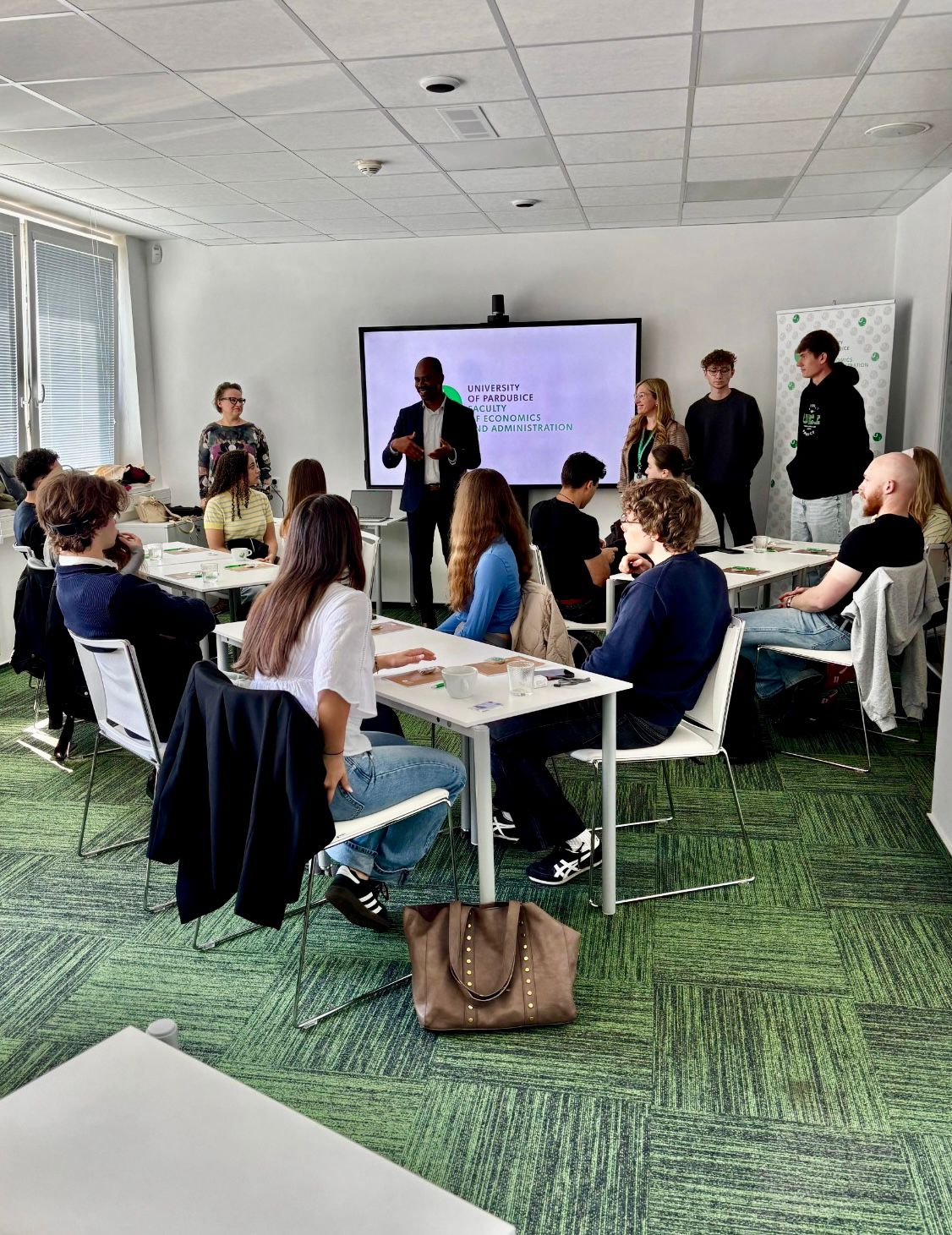
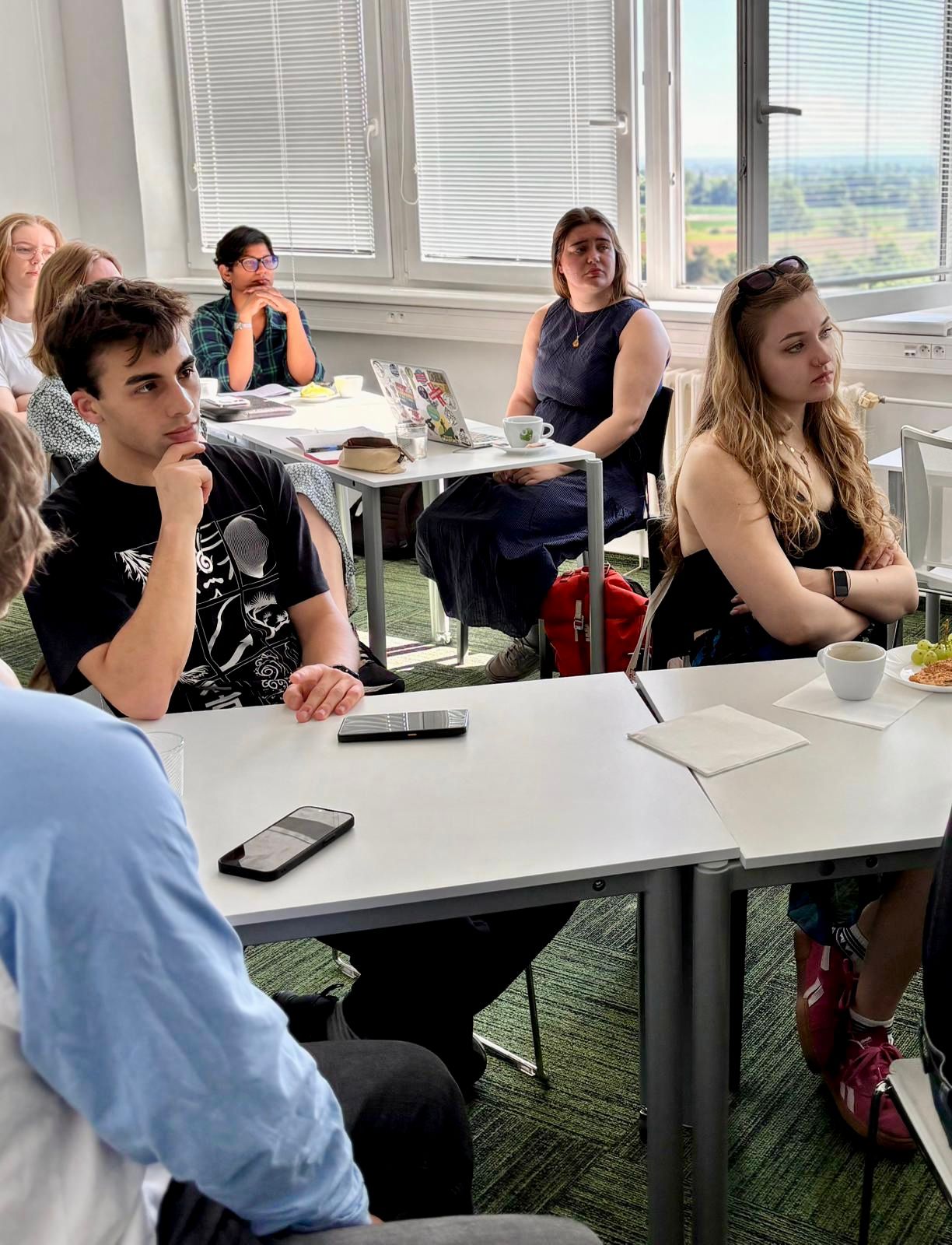
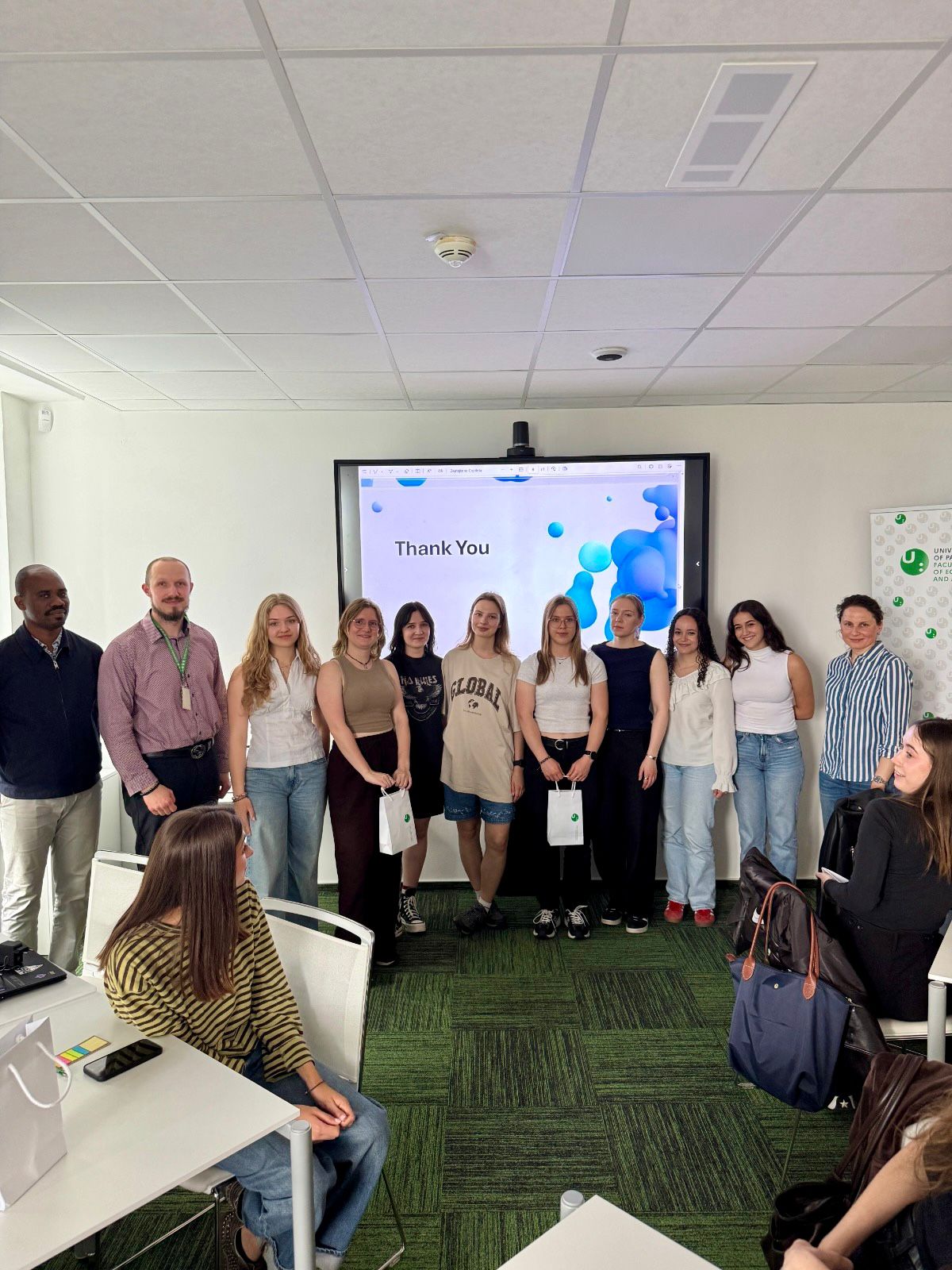
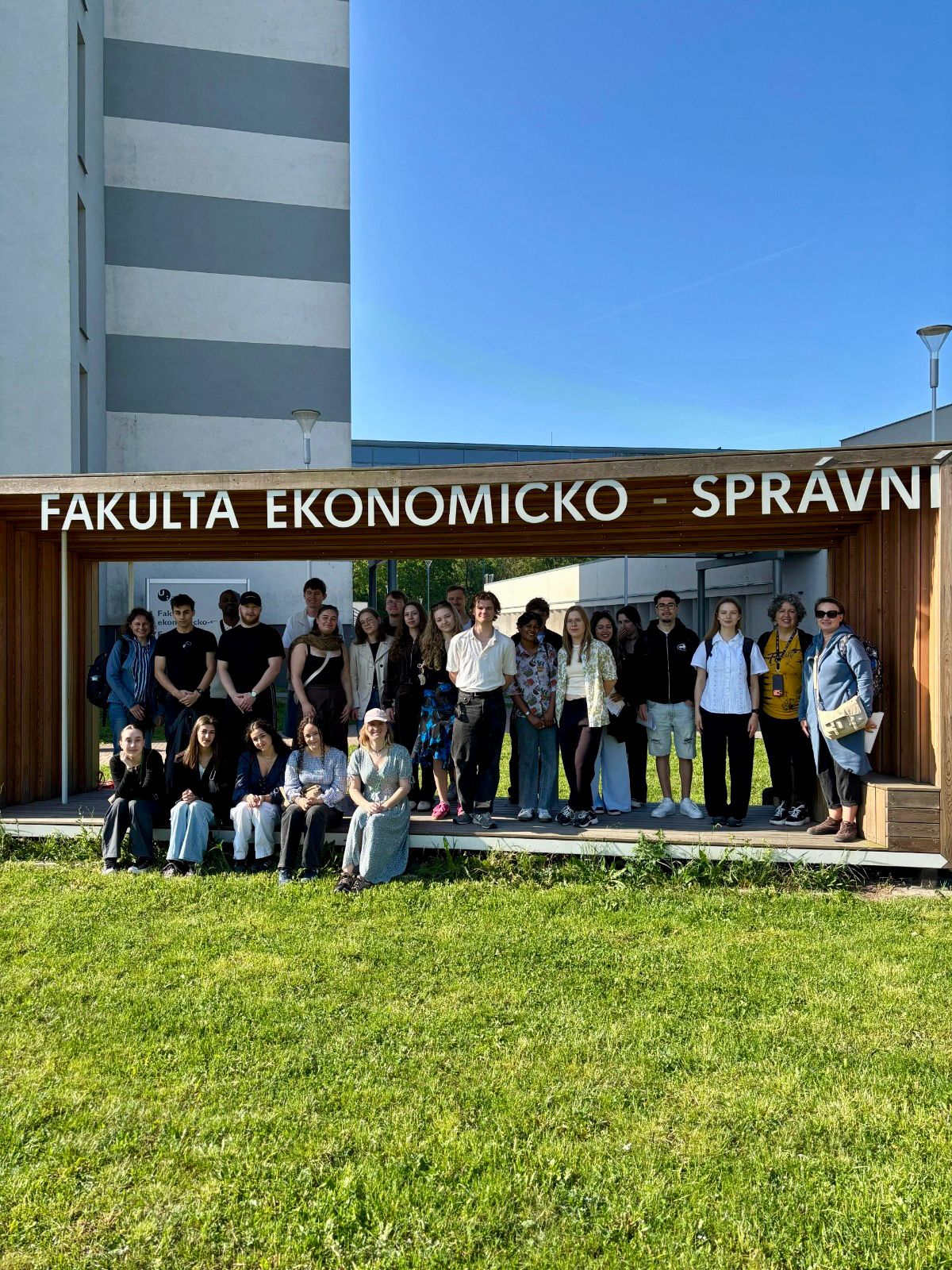
- A four-day in-person segment will allow participants further in-depth discussion of the subjects through classroom lectures/seminars at the University of Pardubice.
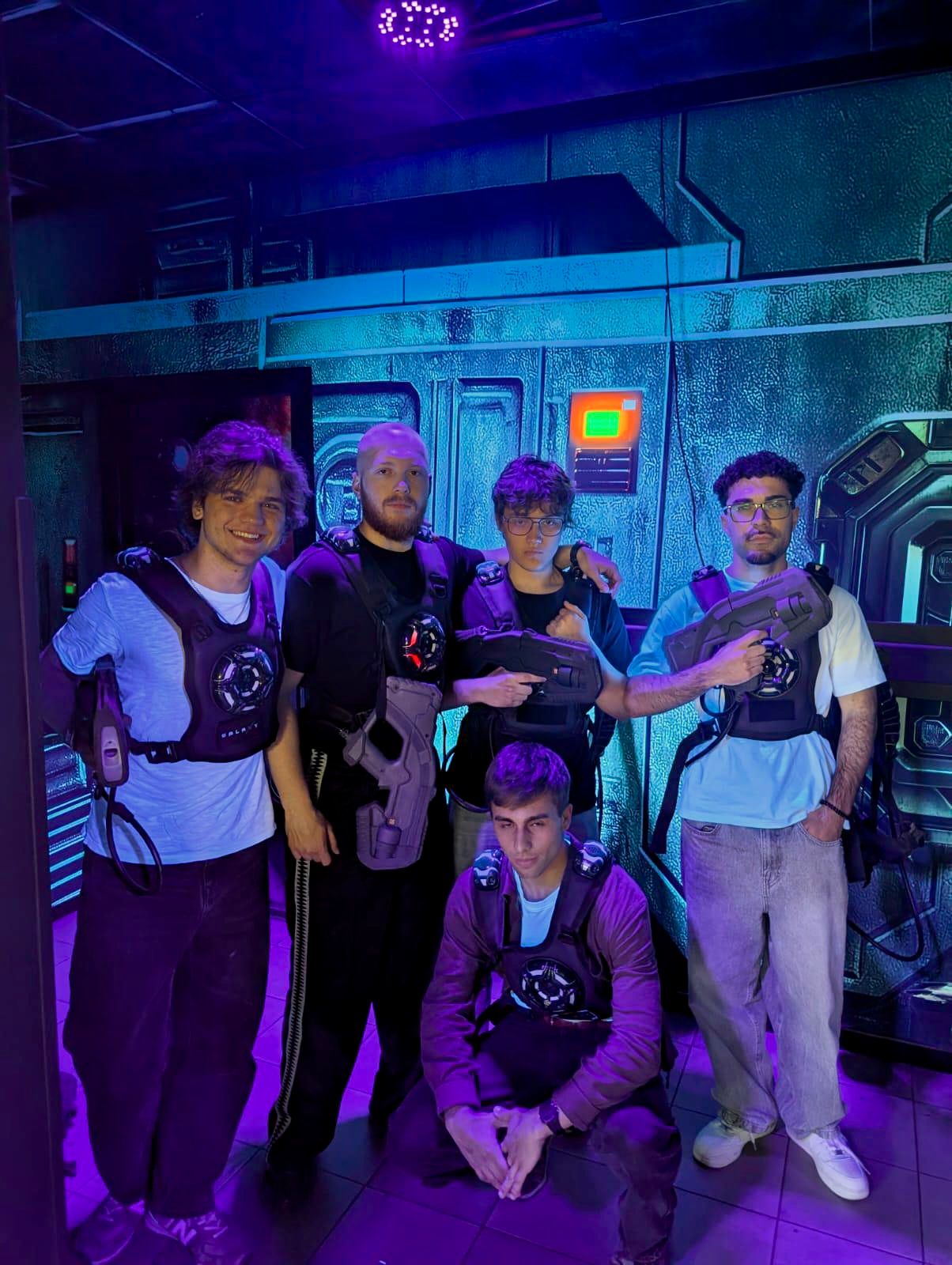
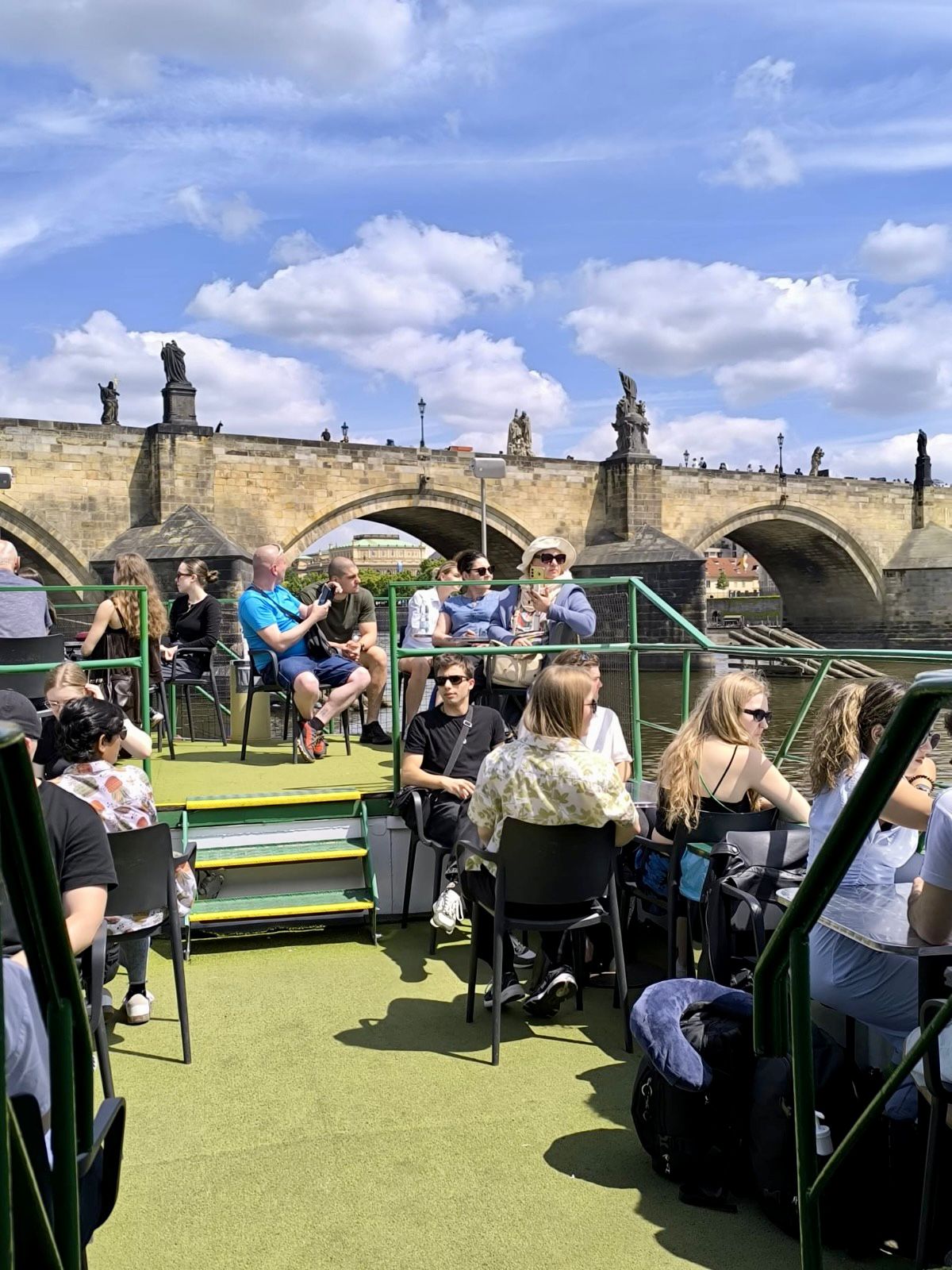
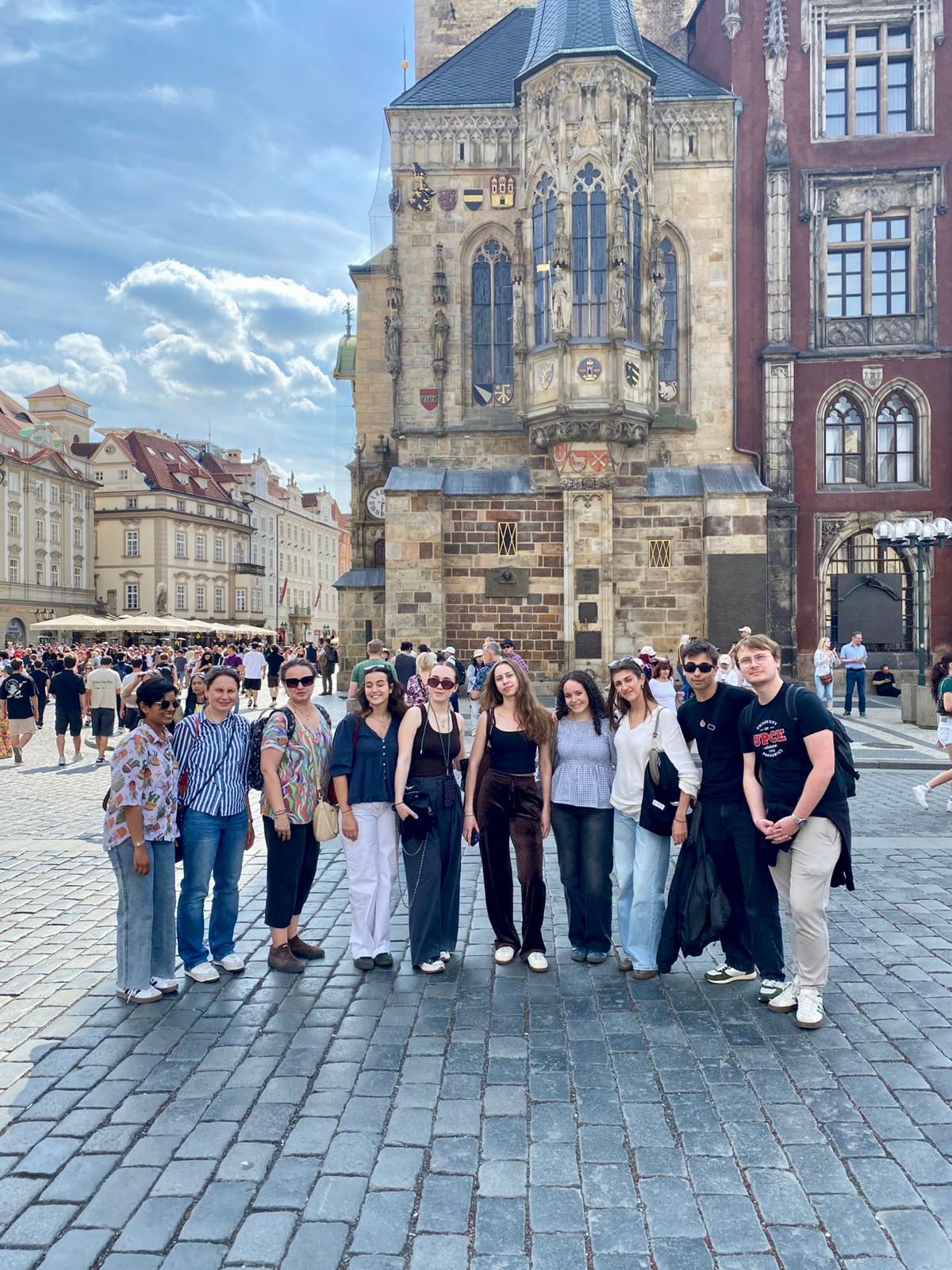
- One day of group recreational activities, including an organized trip.